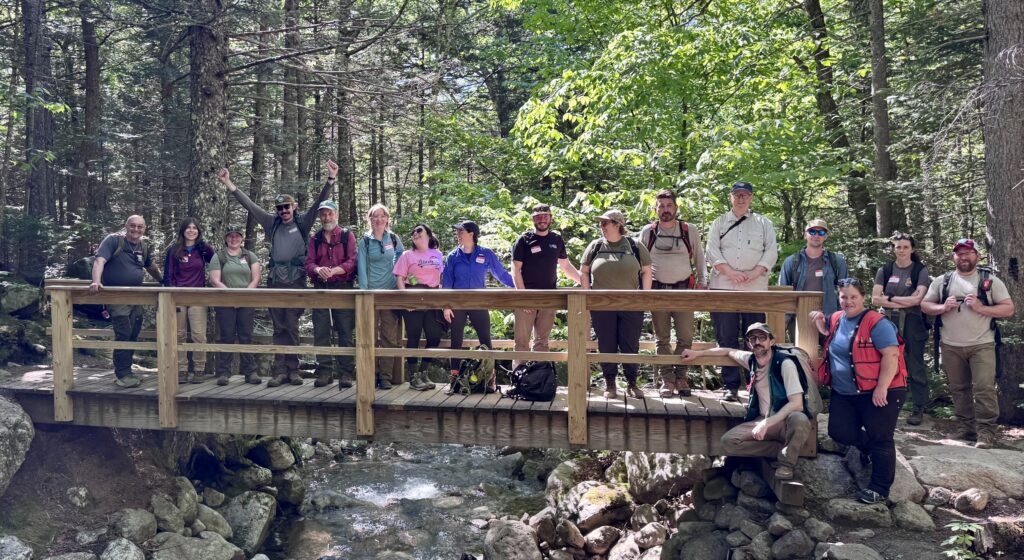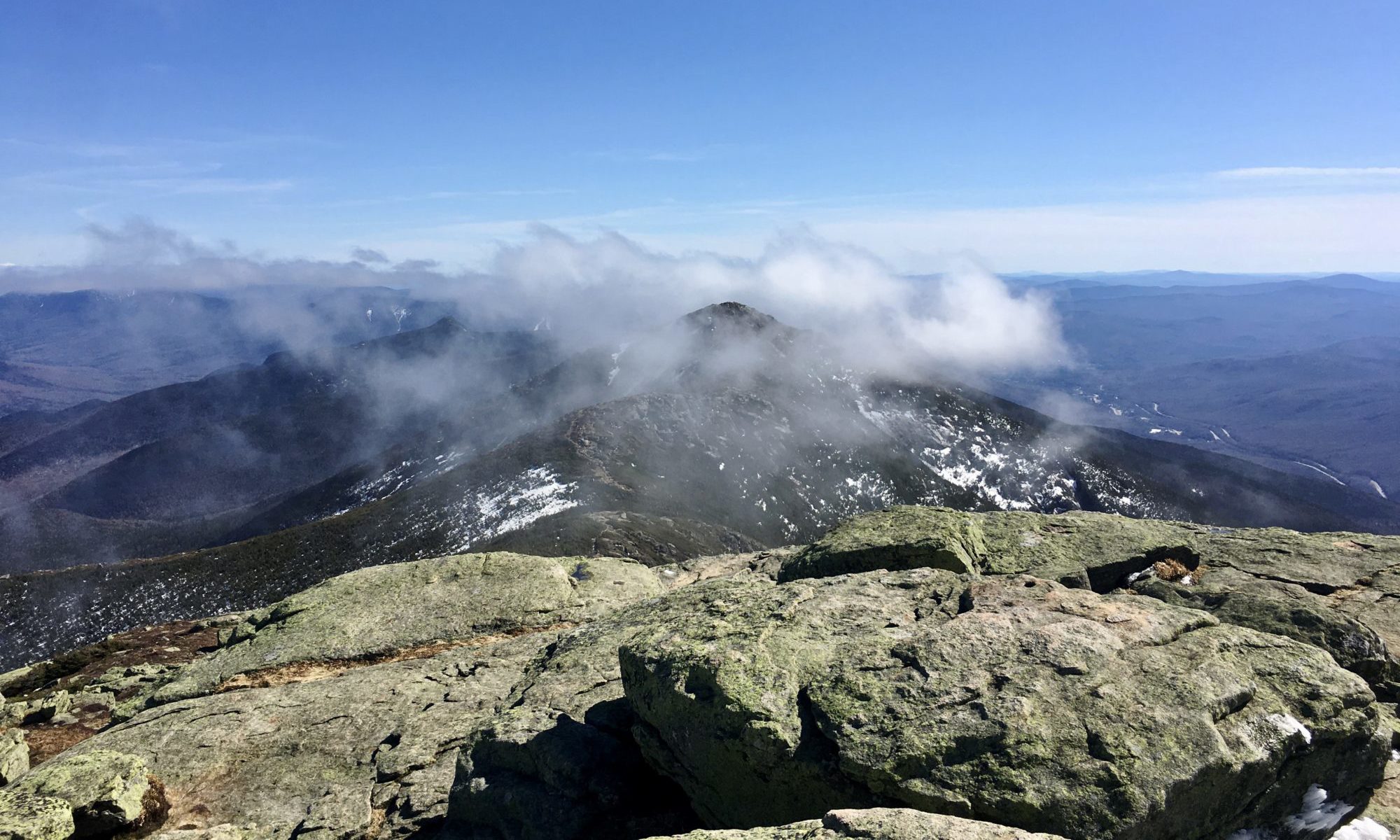
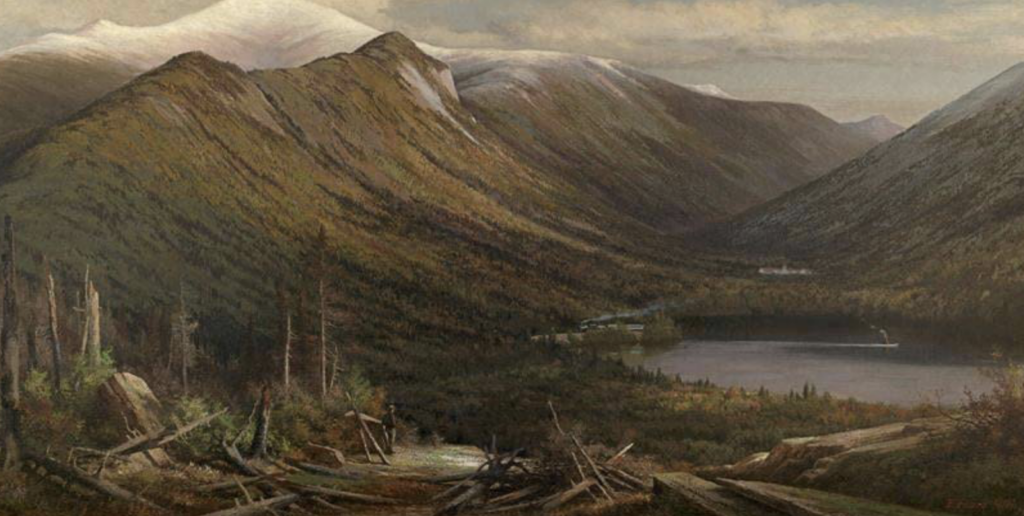
Artists Bluff has become one of the defining trail-management challenges in the White Mountains. During peak foliage weekends, thousands of visitors crowd the short but steep trail to the famous overlook above Echo Lake. This week, a select group of thirteen trail professionals from across the United States gathered in Franconia Notch to explore what the future of the trail might look like.
The Artists Bluff Professional Development Workshop, sponsored by WTN Americas’ Alpine Stewardship Center in partnership with New Hampshire State Parks, began on Monday and continues through Thursday. The intensive four-day course brings together trail managers, land stewards, landscape architects, and trail builders from Texas, Maine, New Jersey, New York, Massachusetts, and New Hampshire, as well as representatives of the White Mountain National Forest, Appalachian Trail Conservancy, and the Society for the Protection of New Hampshire Forests.
Artists Bluff brings a cautionary tale. Once a relatively quiet destination, it has become one of the most photographed locations in New Hampshire. Its popularity has also brought significant challenges. During peak periods, thousands of visitors may use the site in a single day, resulting in trail erosion, vegetation loss, crowding, safety concerns, sanitation issues, and a proliferation of informal trails. The steep fall-line trail, never designed for such levels of use, has deteriorated into an eroded corridor that struggles to accommodate modern visitation.
Leading the workshop are three professionals with decades of experience in trail design and construction. Peter Jensen, principal of Peter S. Jensen & Associates, has spent more than fifty years planning, building, and managing trails throughout the Northeast. Erin Amadon, owner of Town 4 Trail Services in Maine, has devoted more than two decades to trail construction and training, helping advance sustainable trail-building practices across the region. Robert White, a New Hampshire landscape architect and project manager for the Franconia Ridge Restore the Ridge initiative, brings extensive experience in trail planning, accessibility, and public landscape design.
The workshop’s centerpiece is a series of three design exercises intended to explore different approaches to the future of Artists Bluff. One team is examining how the existing fall-line trail could be reconstructed using modern sustainable trail design techniques while retaining the historic route to the greatest extent practical. A second team is scouting and laying out an entirely new trail alignment that could provide a more durable and resilient route to the overlook while reducing erosion and long-term maintenance concerns. A third team is pursuing perhaps the most ambitious challenge: designing a sustainable all-persons trail that would substantially expand accessibility while respecting the mountain’s terrain, scenery, and natural resources.
Participants include Erick Hetzel of Texas Parks and Wildlife Department; Tracy Arcella and Conor O’Brien of the Morris County Park Commission in New Jersey; Flor Escobar, landscape architect; Artie Hidalgo, professional trail builder; Tyler Fogg of Berkshire Natural Resources Council; Deanna Eastman and Nick Sindorf of the White Mountain National Forest; Stephanie Campbell and Leah Beck of the Appalachian Trail Conservancy; Andy Crowley of New Hampshire State Parks; Alicia van der Veur of the New York State Department of Environmental Conservation; and Dylan Summers of the Society for the Protection of New Hampshire Forests.
Together, they represent a broad cross-section of the trail profession, bringing experience in trail planning, design, construction, stewardship, accessibility, and public land management from across the Northeast and beyond.
As the workshop continues, participants are refining alignments, measuring grades, identifying construction needs, developing cost estimates, and preparing conceptual plans for presentation on Thursday. Their findings will be compiled and shared with New Hampshire State Parks to help inform future planning discussions about Artists Bluff.
Whether any of the concepts developed this week ultimately move from drawing board to reality remains to be seen. What is certain is that the challenges facing Artists Bluff are not unique. Across New Hampshire and throughout North America, land managers are grappling with how to protect treasured landscapes while accommodating unprecedented levels of public use. For four days this June, Artists Bluff has become a field laboratory where experienced practitioners are exploring what the next generation of trail stewardship might look like.