Sarah Heller
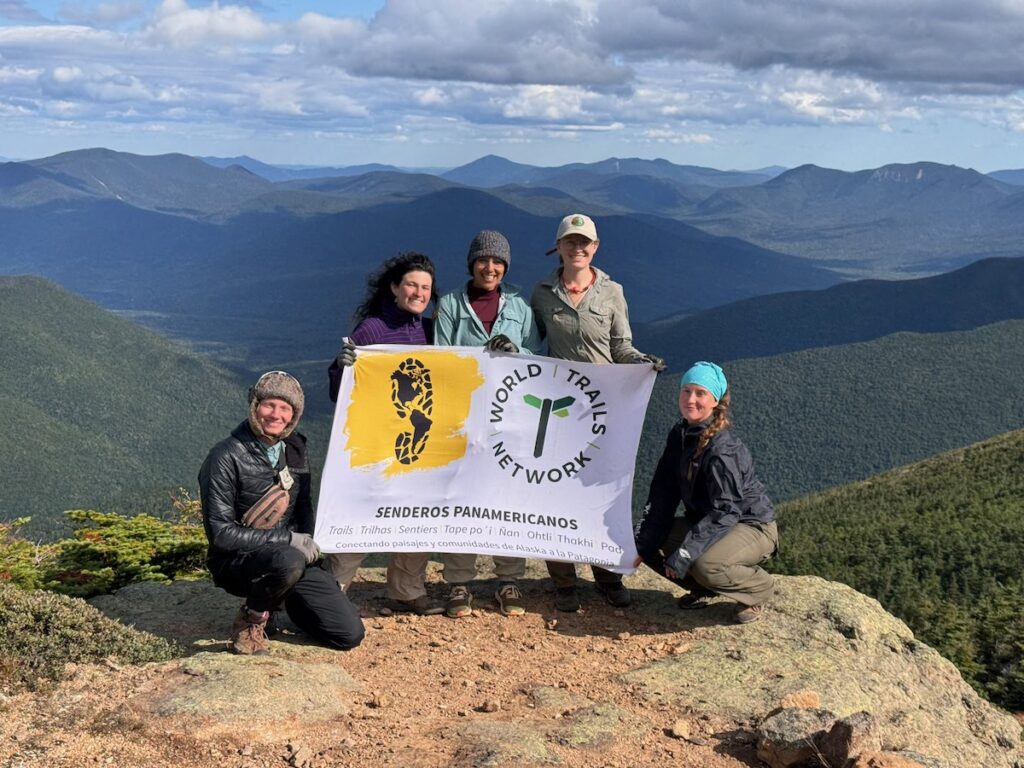
Sunday afternoon, standing at the base of our finished set of seven steps, a feeling of satisfaction overcame my body. For a solid minute, we stood there smiling, admiring what we had built and the hours of sourcing stones, crushing rock, and maneuvering boulders in a Tetris-like manner that went into this project. I felt proud. I felt like we had just accomplished something so large, and I began to think about how this trail feature we had just created would hopefully last the next 100 years or more, allowing for the trail to become revegetated in previously trampled areas. However, for me, this project was a lot more than just the final product. I have never worked on a trail crew before, and my first project being with an all female crew was incredibly inspiring. Not only were we crushing rocks with sledgehammers and moving 400-pound boulders with rock bars, but we made it home to our tent platform each evening with enough energy to cook a yummy dinner, play Scrabble, and laugh the night away, well, at least until we all usually started to crash around 9 pm.
Trail work, specifically intense rock work like this, can often be dominated by men, and working with a group of capable, strong, powerful women made this project even more meaningful.
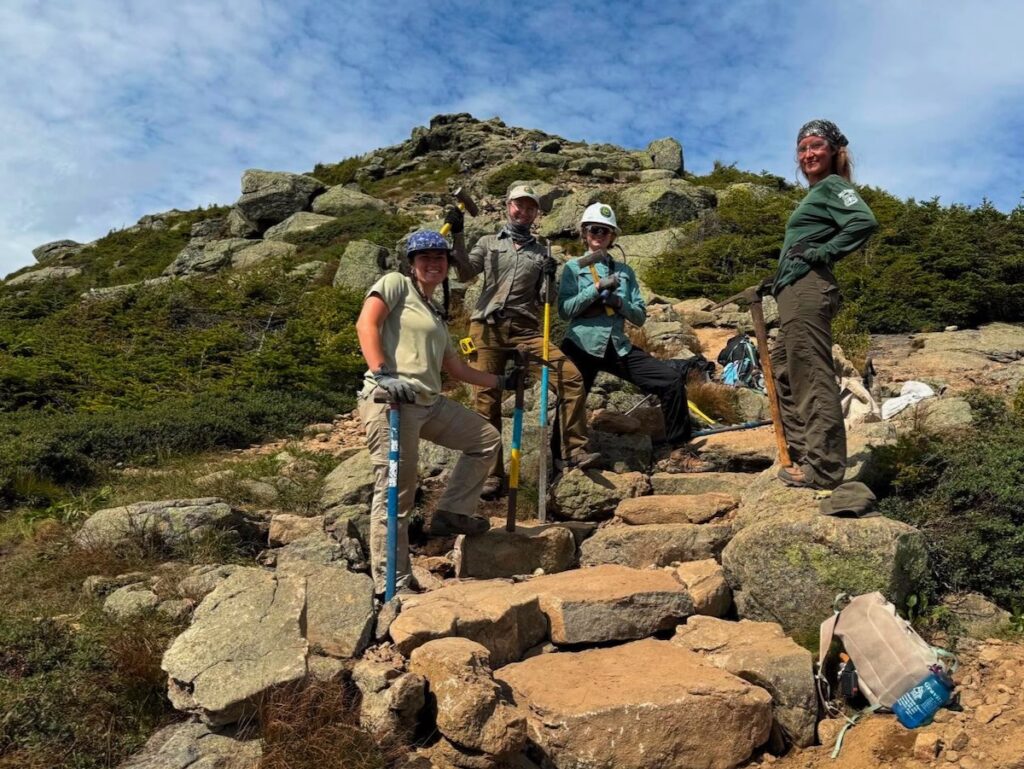
Another realization I had throughout the weekend was how gratifying it feels when people see and appreciate your work. The majority of the work that went into the final result is not visible to hikers: the thought that goes into the design, choosing where to build the steps, hiking the heavy rock bars and pick mattocks up to the ridge, carefully measuring and picking which rocks to use where. For all the people who dismiss our attempts to keep them on trail, brushing us off, saying they already read the signs, there are so many people out there who really do care and notice our work. This is incredibly satisfying. Princess Diva Turtle, Hoot, and Rooster are all thru-hikers we met this weekend who took the time to stop and thank us for what we do. “You guys are amazing, keep up the incredible work!” Hikers taking the time to stop and chat for a bit, asking questions about what we are doing because they genuinely are curious, means so much to me. Being able to talk to people, educating them about the importance of staying on trail, why where they step matters, and how the work we are doing will hopefully make it easier for future hikers to stay on trail, makes all the hard, laborious hours worth it. Not just the physical work, but forming the connections with hikers, getting to teach them something they may not have known before, is one of my favorite parts of the job.
It was a weird feeling arriving on Friday, the landscape looking one way, and leaving Sunday having completely altered not only the physical tread of the trail but also how the hikers move through the terrain. In a way, we did a lot more than construct a new path. Because of these seven new steps, in ten to fifteen years hopefully the entire parallel social trail will be beginning to become revegetated. In thirty more years, hopefully we’ll be able to see a sea of green, abundant with Diapensia, Bog Bilberry, and Mountain Cranberry. However, while we were able to look back and admire our “finished” project, a clear set of steps that will guide people up the path away from the social trail, the bigger project is just beginning.
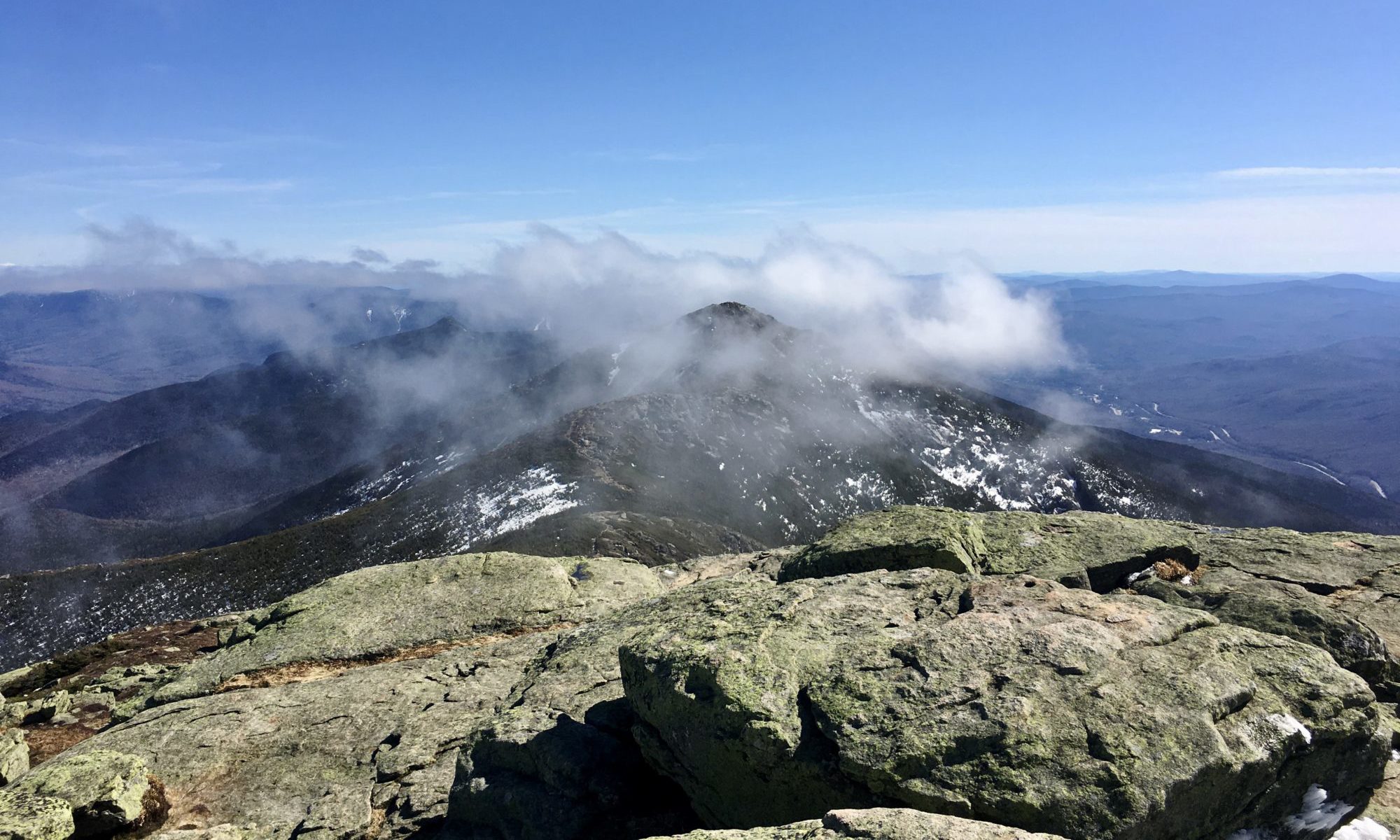
Projects like these are increasingly important as the ridge continues to see more visitors each year. While altering the physical trail is important and does have a large impact, there reaches a point where there are just too many people, and no matter how much we try to containthem, it is just an unmanageable number. 1400 people crossed the ridge this past Saturday. Being up there, seeing the lines of people, each following the person in front all the way up to Lincoln’s summit, it became overwhelming. The ridge, at least during a nice Saturday in summer, is no longer a place of solace to be alone with the ravens. During the rush, it is hard to fully be present, aware of the sound of the winds and all your surroundings. The sheer number of people has and will continue to affect not only the ecology of the ridge, but the shared experience of hikers in this environment. While we physically altered the tread, hopefully changing where people hike and eventually the vegetation on that trail section, seven steps is not enough. Seven steps are the continuation of a long, complex, and ongoing process of restoring the ridge.