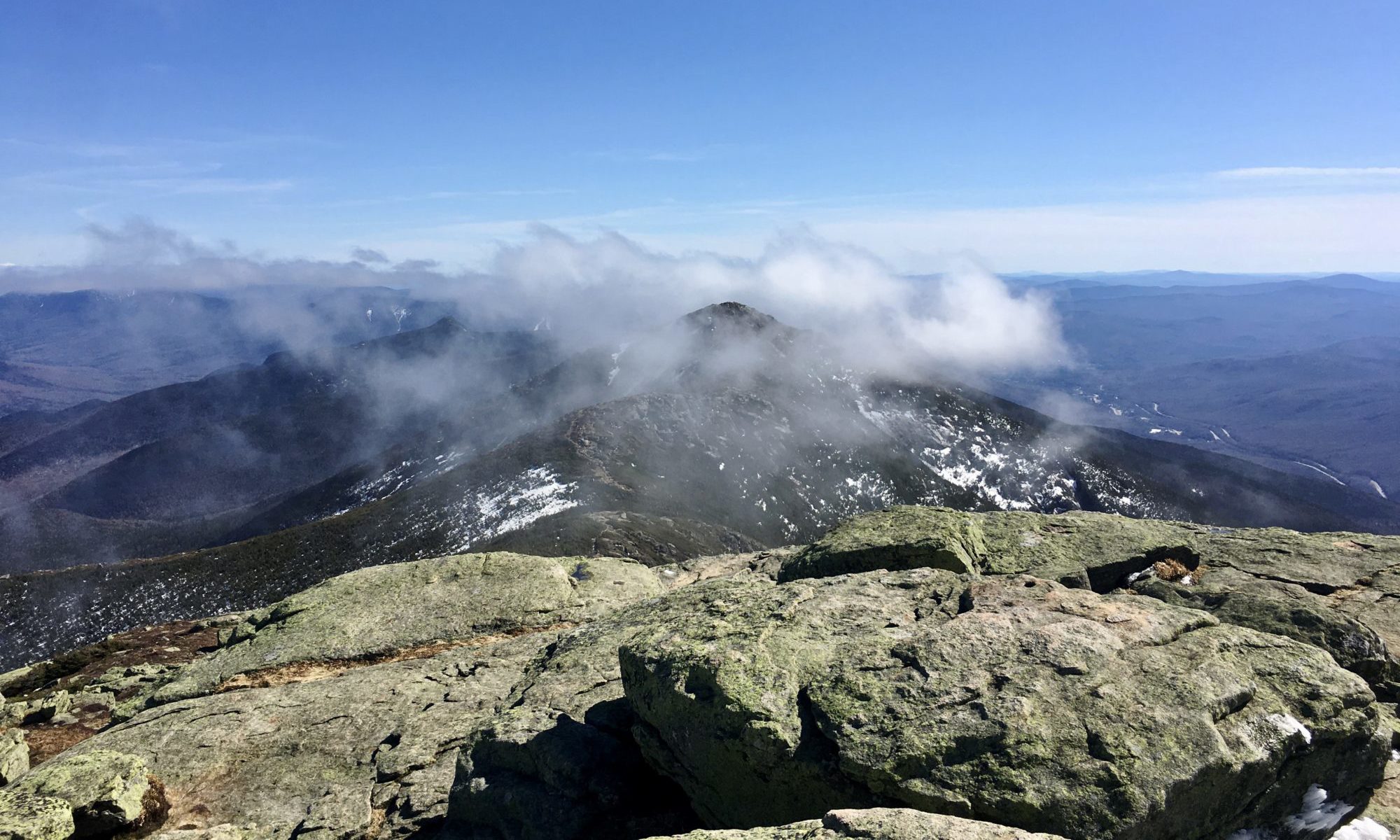
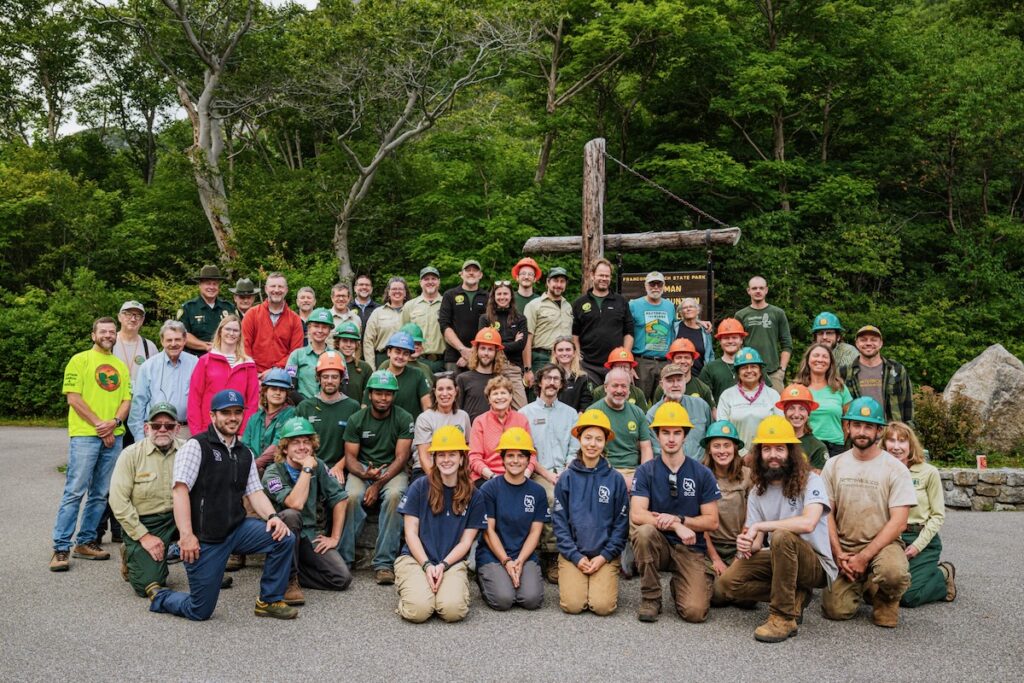
On Tuesday, September 1, groups gathered in Franconia Notch to celebrate five years of the Partnership to Restore Franconia Ridge, marking the conclusion of trail work supported by Congressionally Directed Funding secured by U.S. Senator Jeanne Shaheen and led by the Appalachian Mountain Club (AMC).
Senator Shaheen joined White Mountain National Forest Supervisor Derek Ibarguen and AMC President and CEO Nicole Zussman, along with leadership and staff from the US Forest Service and AMC. Also attending were members of several of the crews that have worked on the Franconia Ridge Loop over the past five years, including the NorthWoods Stewardship Center, Student Conservation Association, Vermont Youth Conservation Corps, and AMC volunteer and professional trail crews.
Representatives of WTN Americas/Pan American Trails were also invited and attended. Although our work was not supported by the Congressionally Directed Funding, it has become an important part of the larger effort to restore the Loop.
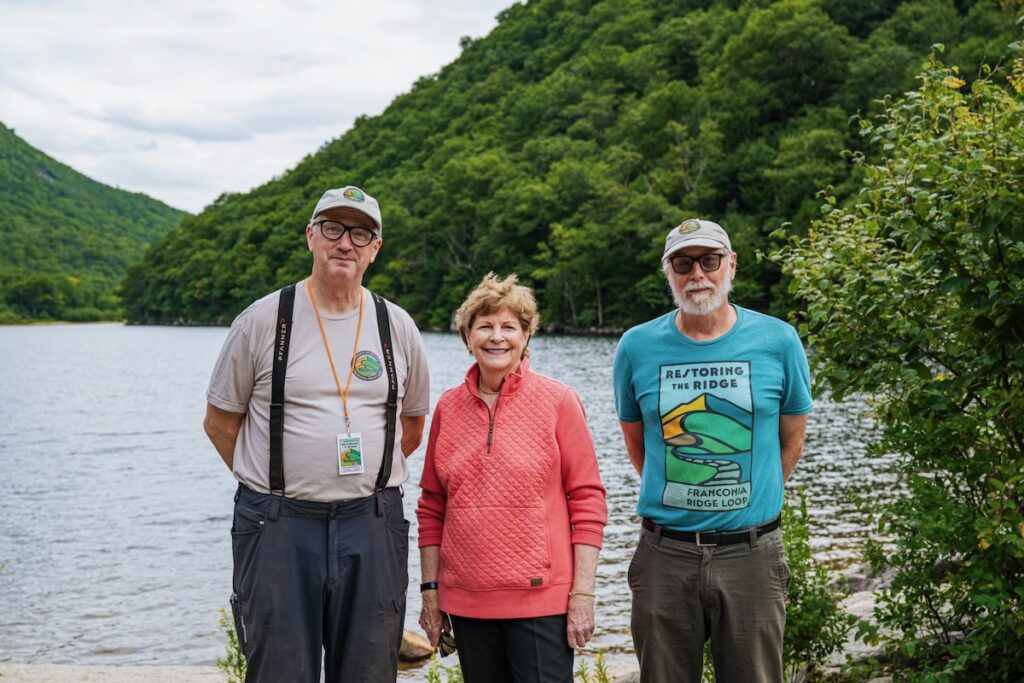
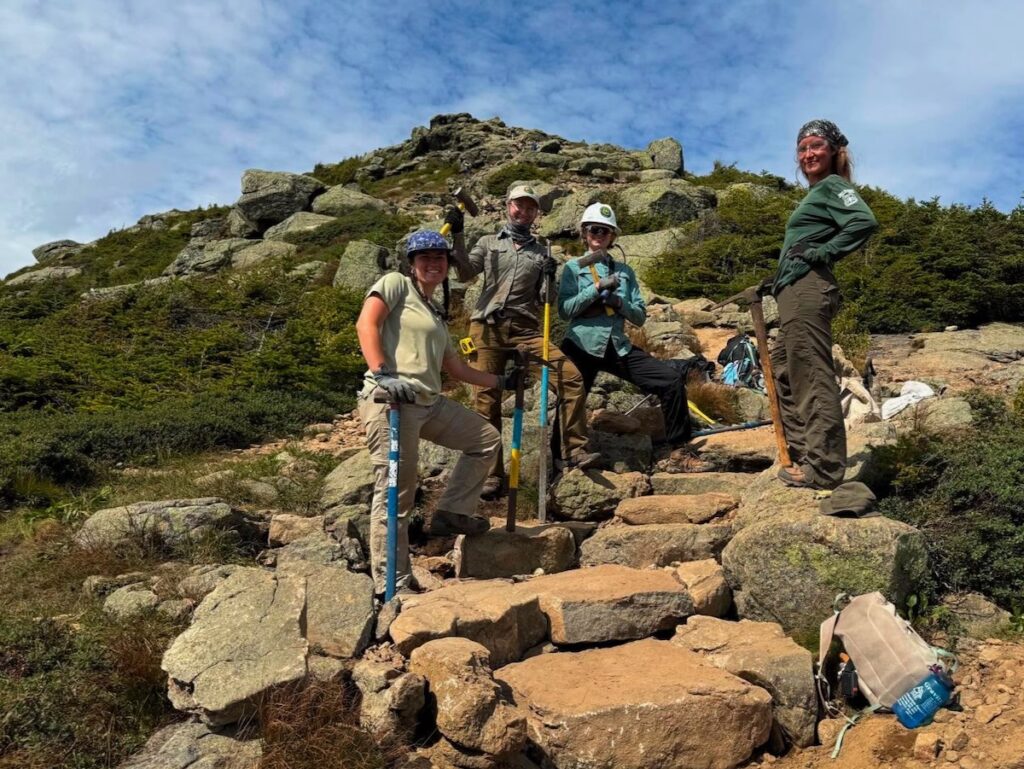
The congressional funding did not cover the portions of the Old Bridle Path and Falling Waters Trail located on Franconia Notch State Park lands. WTN Americas/Pan American Trails secured private funding to extend the restoration effort into these sections. Our professional crews, Peter S. Jensen & Associates LLC and the Trail Fixing Collective LLC, have worked extensively on the Old Bridle Path and continue that work today. This year, private support is being supplemented by a New Hampshire Recreational Trails Program grant.
Altogether, WTN Americas/Pan American Trails has brought over $600,000 in additional funding to the Franconia Ridge Loop effort, representing more than one-third of the investment in the entire project. And our work will continue beyond the conclusion of the congressionally funded project. In 2027, we plan to move restoration work to the Franconia Notch State Park section of Falling Waters Trail.
The Work Still Ahead
As we celebrate what has been accomplished, this five-year milestone also provides an opportunity to take stock.
The original vision was ambitious: to “redesign the Franconia Ridge Loop from start to finish.” Five years later, despite an extraordinary investment of money, labor, expertise, and volunteer effort, that work is not complete.
Substantial work remains even on the two approach trails, Old Bridle Path and Falling Waters Trail. Only a relatively small amount of work has been completed on the upper Greenleaf Trail in the alpine zone. And no congressionally funded restoration work was undertaken on perhaps the most ecologically sensitive section of the entire Loop: the Franconia Ridge Trail between Mount Lafayette and Little Haystack.
WTN Americas/Pan American Trails Summit Stewards have undertaken substantial trail tending and restoration work along this alpine section, but without support from the Congressionally Directed Funding and therefore outside the formal restoration project.
In other words, after five years and a tremendous investment, we have learned something important about the scale of the challenge:
If our goal is to truly restore and sustainably manage the Franconia Ridge Loop, the work has only begun.
That does not diminish what this partnership has accomplished. Quite the opposite.
The project represents a major advance in promoting a new standard for trail design and construction in the White Mountains. It has demonstrated what becomes possible when significant resources, skilled professional crews, public agencies, nonprofit organizations, and volunteers are brought together around a shared project.
It has also given us lessons that should inform how projects are planned and designed; how priorities are established across an entire trail system; how professional and volunteer crews can best complement one another; and how trail reconstruction can be integrated with the ongoing stewardship required after the construction crews leave.
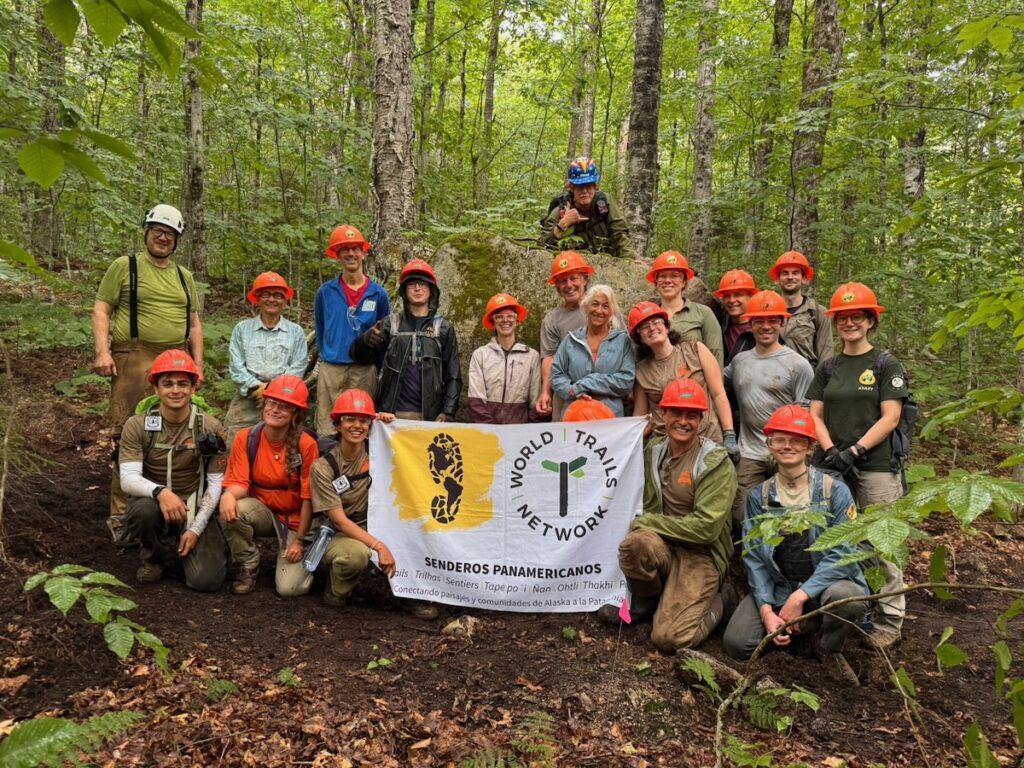
Our Old Bridle Path volunteer workdays, organized in partnership with AMC, offer one example. In my experience, they represent one of the most effective integrations of volunteer labor into a professional trail construction project I have seen. Volunteers are not simply doing work adjacent to the professional project. Their work is planned so that it directly advances and complements what the professional crews are building.
However, the work does not end when a grant ends. Nor does rebuilding the physical trail, by itself, solve the challenges facing Franconia Ridge. Summit stewardship, routine trail tending, ecological restoration, visitor management, monitoring, and continued reconstruction all have to become parts of a sustained effort.
So, as this five-year chapter comes to a close, where do we go from here?
Next week we will, we will consider: Franconia Ridge Loop restoration beyond 2026.